

cbefdb930130b96349ec681208e9c314711e6354

Zen in Amsterdam
7 Ways to Relax and Recharge

Looking to unwind while still enjoying an activity?

We've put together seven tips for you.

Many people find it difficult to choose an activity that brings both physical and mental relaxation. You might even wonder what you can do to truly unwind in a busy city like Amsterdam. Below, you'll find our recommendations.

1. Visit Amsterdam’s Canals
The calm waters and peaceful surroundings of Amsterdam’s canals can have a soothing effect on the mind. It may sound a little unusual, but simply watching the water can help reduce stress and promote relaxation. The architecture of the historic canal houses is also fascinating to admire. A canal cruise, meanwhile, offers a wonderful sense of serenity as you take in the city from the water and enjoy the tranquil atmosphere.

2. Amsterdam’s Parks
Green spaces such as Vondelpark offer a welcome escape from the bustle of the city. Surrounded by trees, gardens, and waterways, these peaceful settings can create a sense of calm and wellbeing. Whether you choose to take a leisurely walk, go for a jog, or simply relax on the grass, spending time in nature can help reduce stress, clear your mind, and recharge your body. It’s certainly worth setting aside some time to explore one of Amsterdam’s beautiful parks.

3. Visit Koan Float
Of course, we couldn’t leave out a visit to our spa. Taking time to relax can have a profoundly positive effect on both body and mind. In addition to our massage treatments, floating is one of the most effective ways to promote deep relaxation and restore balance. A float session in one of our private cabins provides the peace and weightlessness that both body and mind often crave. By eliminating external stimuli, floating allows you to fully unwind, recharge, and let go of daily stress. It can also be particularly beneficial during pregnancy, helping to relieve physical tension and provide a greater sense of comfort and relaxation. Curious to learn more? Explore our other blog articles to discover the benefits of floating and how it can support your wellbeing.

4. Take a Walk in Nature
It has been scientifically proven that spending time in nature can reduce stress and improve mood. Amsterdamse Bos, one of the city’s largest green spaces, offers a beautiful setting for a peaceful walk, surrounded by trees, lakes, and open meadows. Walking in nature allows you to breathe in fresh air, engage in gentle physical activity, and give your mind a chance to slow down. Whether you're looking to clear your head, recharge your energy, or simply enjoy a moment of tranquillity, a visit to Amsterdamse Bos is always a great idea.

5. Visit a Meditation Centre
Meditation is a well-established practice for calming the mind and cultivating a sense of inner peace. Across Amsterdam, various meditation centres offer guided sessions where you can learn techniques to relax, improve focus, and become more mindful in everyday life. Regular meditation has been shown to help reduce stress, enhance mental clarity, and promote a greater sense of balance and wellbeing. Whether you are completely new to meditation or already have experience, taking part in a guided session can be a valuable way to slow down and reconnect with yourself.

6. Visit a museum
A visit to a museum can be surprisingly calming and restorative. Art has the unique ability to evoke emotions, inspire reflection, and engage the mind in a peaceful way. Taking the time to observe paintings, sculptures, and exhibitions can create a sense of wonder and contemplation, helping you slow down and disconnect from the stresses of daily life. Amsterdam is home to some of the world’s most renowned museums, including the Rijksmuseum and the Van Gogh Museum. Beyond their remarkable collections, these cultural institutions offer a quiet and inspiring environment where you can wander at your own pace and fully appreciate the beauty of art. Whether you're an art enthusiast or simply looking for a moment of tranquillity, a museum visit can be a wonderfully relaxing experience.

7. Visit a Yoga Studio
Yoga combines physical movement, breathing techniques, and meditation to help relax both body and mind. Through a series of postures and mindful breathing exercises, yoga can help release tension, improve flexibility, and create a greater sense of balance and calm. The focus on the breath is one of the key elements of yoga, helping to quiet the mind and reduce stress. Whether you are a beginner or an experienced practitioner, attending a yoga class can be an effective way to slow down, reconnect with yourself, and support your overall wellbeing. With many excellent yoga studios throughout Amsterdam, finding a class that suits your needs is easier than ever.

625bcd7eb5c56faab61c73841a4304695237ea22 e1788523302338

Pregnancy and Floating

Healthy, weightless, and deeply relaxing

Pregnancy is a unique and special time, but it can also place considerable demands on the body. At Koan Float, we regularly welcome expectant mothers who are looking for a moment of rest and recovery, whether through a float session or a relaxing pregnancy massage tailored to mothers-to-be.

Floating is often described as one of the most effective forms of relaxation available today. During a float session, you effortlessly drift in a private float cabin containing warm water enriched with Epsom salt. Shielded from external distractions, your body and mind are given the opportunity to fully unwind. Many float enthusiasts even compare a one-hour float session to several hours of deep, restorative sleep.

The sensation of floating is similar to the feeling of weightlessness experienced in the Dead Sea. As the water supports your body completely, pressure on your joints and muscles is significantly reduced. For pregnant women, this can feel especially comforting, providing relief from the physical demands of carrying extra weight and allowing for a profound sense of relaxation.

Floating: relaxing and restorative

The water in a float cabin is maintained at approximately 35.5°C (95.9°F) and contains a high concentration of premium-quality Epsom salt, also known as magnesium sulfate. Many people find that Epsom salt helps relax muscles, supports recovery after physical activity, and contributes to an overall feeling of wellbeing.

Inside the quiet, insulated float environment, external sounds and stimuli are minimized. The warm water supports your entire body, allowing you to relax without any physical effort. For expectant mothers, this weightless sensation can provide welcome relief and create a unique opportunity to recharge both physically and mentally.

The benefits of floating

The popularity of floating continues to grow due to the positive experiences reported by many people. Float sessions are often associated with reduced stress levels, decreased muscle tension, improved relaxation, and a greater sense of mental clarity. By creating an environment free from distractions, floating encourages the body to enter a deeply relaxed state. Many guests leave a session feeling refreshed, re-energized, and better equipped to handle the demands of daily life.

Massage and feel-good hormones

Touch plays an important role in relaxation and wellbeing. Massage can stimulate the release of hormones associated with comfort and relaxation, helping the body unwind and promoting a sense of calm. Hormones such as endorphins and serotonin are often linked to positive mood, relaxation, and overall wellbeing. During a massage, these natural processes can help reduce tension and create a greater sense of balance, leaving you feeling calmer and more relaxed.

Ideal during pregnancy

As the body changes throughout pregnancy, extra support and relaxation can be incredibly valuable. Many expectant mothers appreciate floating for the sense of relief it can provide, particularly during the later stages of pregnancy when physical discomfort may increase. The sensation of weightlessness allows the body to rest in a way that is often difficult to achieve elsewhere. Combined with the relaxing environment and the soothing warmth of the water, floating can become a welcome part of a self-care routine during pregnancy.

Research and relaxation

Research into floating has shown promising results regarding relaxation, stress reduction, and overall wellbeing. Studies suggest that floatation therapy may help people feel calmer, improve emotional balance, and support both physical and mental recovery. For many expectant mothers, this combination of deep relaxation, comfort, and relief makes floating a valuable addition to their pregnancy wellness routine. Sometimes, taking an hour to simply let go and float is exactly what the body and mind need.

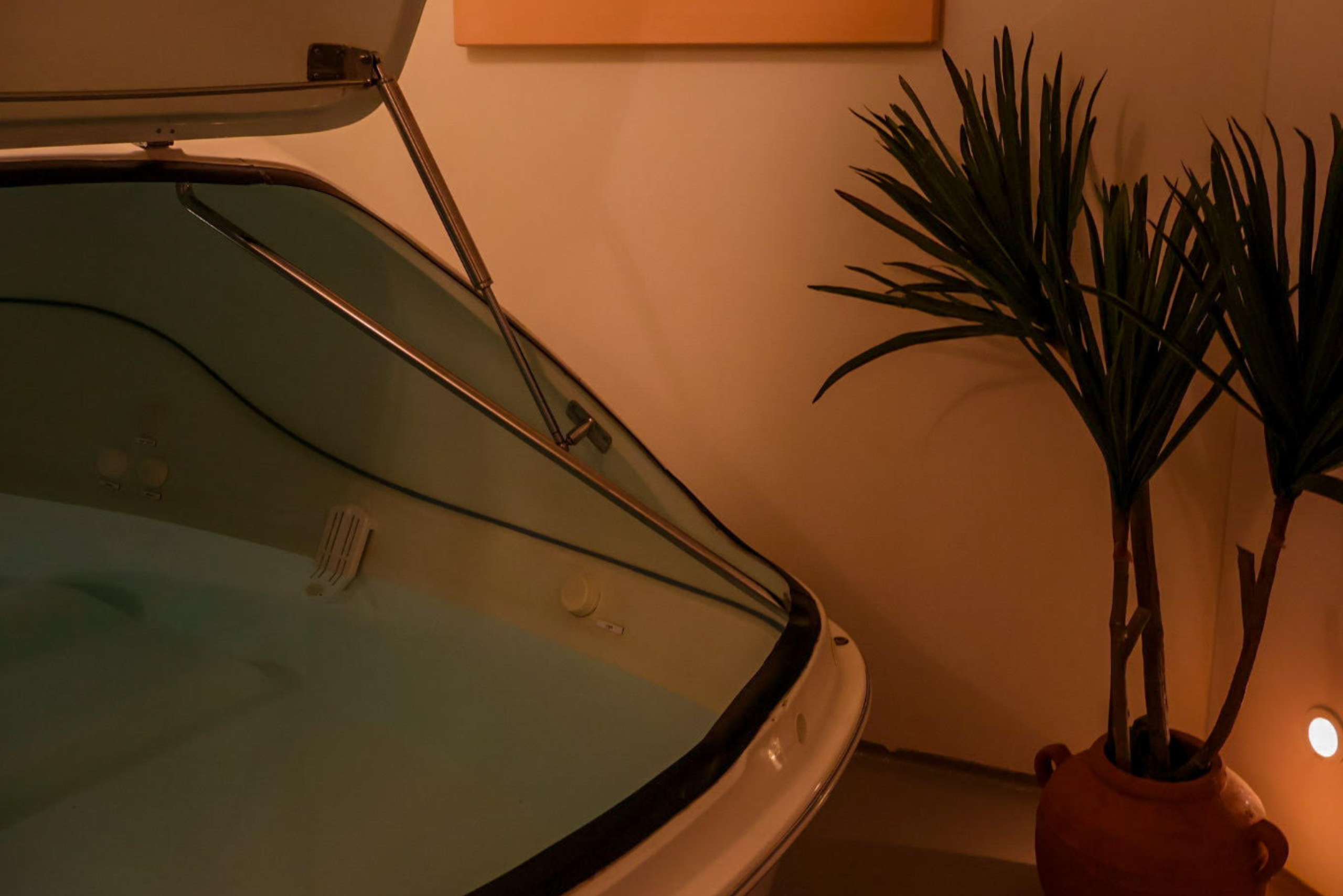
Modern float cabin filled with warm Epsom saltwater at Koan Float Amsterdam

The history of floating

What is floating and how did it begin?

Floating, also known as floatation therapy or sensory deprivation, has become increasingly popular in recent years as a unique way to relax and unwind. Perhaps you’ve already tried it yourself, or maybe you’re curious about the experience. But what exactly is floating, and where did it come from?

The history of floating

Floating, also known as floatation therapy or sensory deprivation, is a wellness practice that allows you to drift effortlessly in warm salt water while external stimuli are minimized.

The goal is to encourage deep relaxation for both body and mind.

The origins of floating can be traced back to the 1950s, when scientists began researching the effects of sensory isolation on the human mind and body. Their studies focused on understanding how prolonged isolation influenced psychological and physiological processes. During this period, American neuroscientist Dr. John C. Lilly began developing what would later become the first floatation tank.


De floatation tank

Known as the “Lilly Tank,” the original floatation tank was designed to place a person in a state of profound relaxation by eliminating external sensory input. The tank was filled with salt water heated to skin temperature and contained enough salt to keep the body effortlessly afloat.

Although the concept was developed decades ago, floating only gained widespread popularity more recently. Today, it is embraced by many people as a powerful tool for relaxation, stress management, and overall wellbeing.


How does floating work?

When you float, your body is supported by highly concentrated salt water, creating a sensation of complete weightlessness. The float cabin is specifically designed to minimize external stimuli, allowing you to disconnect from everyday distractions and fully relax. The water is heated to approximately skin temperature, meaning there is almost no noticeable difference between your body and the surrounding water. This reduces the need for the body to regulate temperature and can help promote a deeper state of relaxation.

Floating is often referred to as sensory deprivation because it reduces exposure to external stimuli such as light, sound, and physical distractions. Without these inputs, the body and mind can enter a deeply restorative state. For this reason, floating is frequently used as a complementary approach to stress reduction and relaxation. Many people find that floating helps ease feelings of stress and tension while supporting mental clarity and emotional balance. Because the body is able to relax so deeply, floating may also help relieve muscle discomfort and support recovery after physical exertion.

Floating can also be used as a form of meditation. By removing external distractions and encouraging complete relaxation, it often becomes easier to quiet the mind, focus inward, and enter a meditative state.


Epsom Salt

At Koan Float, Epsom salt is used in the water to enhance buoyancy and create the effortless feeling of floating. Each float cabin contains approximately 500 kilograms of Epsom salt, resulting in a highly concentrated solution rich in magnesium sulfate. This high salt concentration allows you to float comfortably without any effort.

Epsom salt, also known as magnesium sulfate, is a naturally occurring mineral compound that has been used for centuries. It was first discovered in the English town of Epsom during the 17th century, from which it takes its name. Magnesium is involved in many important bodily functions, including muscle and nerve function, while sulfate plays a role in various biological processes. Together, they contribute to the unique floating experience and its reputation as a deeply relaxing wellness treatment. To learn more about Epsom salt, visit our article on Medicinal Epsom Salt.


Benefits of Epsom Salt

Epsom salt offers several benefits that complement the floating experience. Many people report feeling physically relaxed and mentally refreshed after a session. The magnesium contained in Epsom salt is often associated with muscle relaxation and recovery, while the overall floating environment supports a calm and restorative experience. Combined with the weightlessness of the water and the absence of external distractions, floating can help create a uniquely peaceful state of relaxation.

Interested in learning more about this remarkable mineral? Read here more about it in our article on Medicinal Epsom Salt.